 Mise
MiseThe Working Cook's Reference
Every Answer a Cook Has Ever Needed.
Knife angles, sauce ratios, safe temps, French mother sauces — the knowledge that lives on prep lists, in the margins of dog-eared cookbooks, and whispered between cooks during service.
340+
Technique entries
28
Comparison tables
12
Kitchen disciplines
Scroll to explore by discipline
Internal Temp
Chicken Breast
165°F / 74°C
USDA safe minimum
Knife Angle
Japanese Gyuto
15–17°
per side on whetstone
Fat Ratio
Classic Beurre Blanc
4:1
butter to reduction
Stock Ratio
Brown Veal Stock
1kg bones : 3L water
6–8 hr simmer
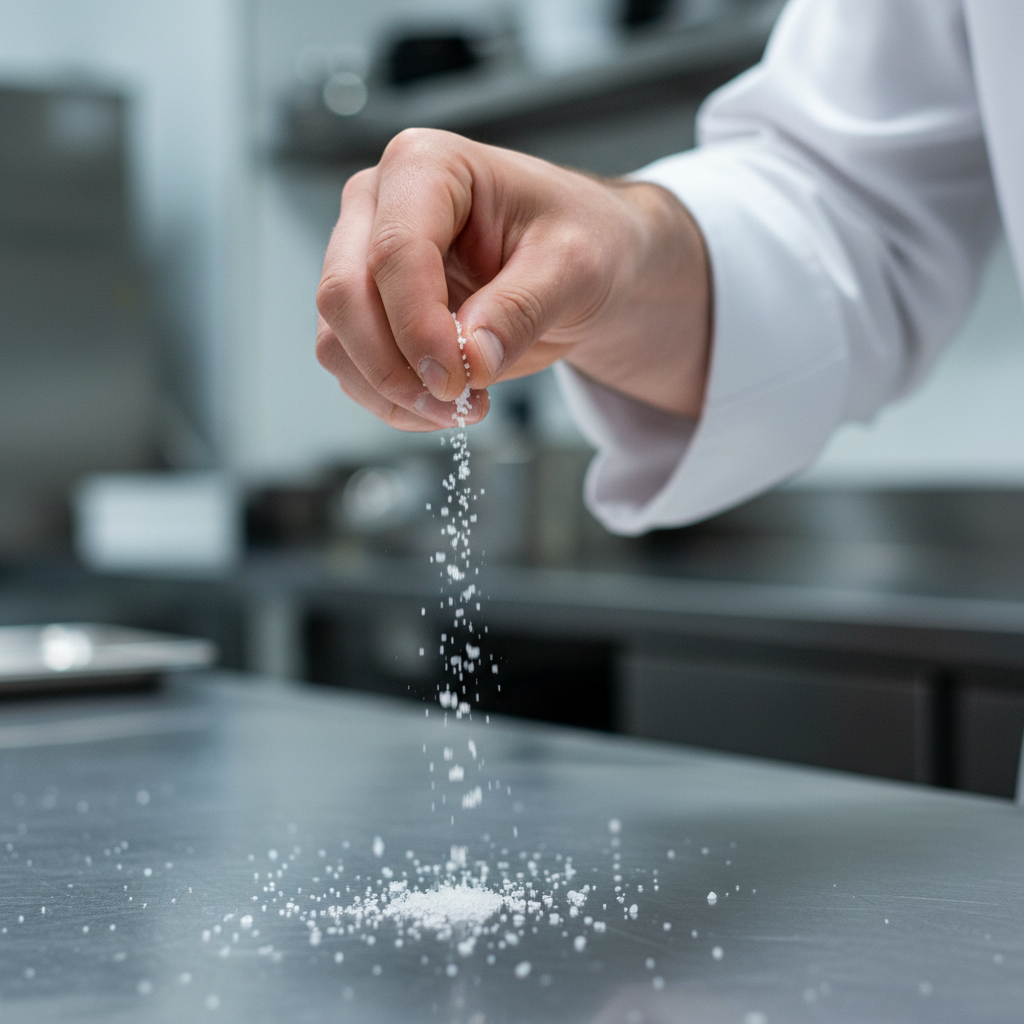
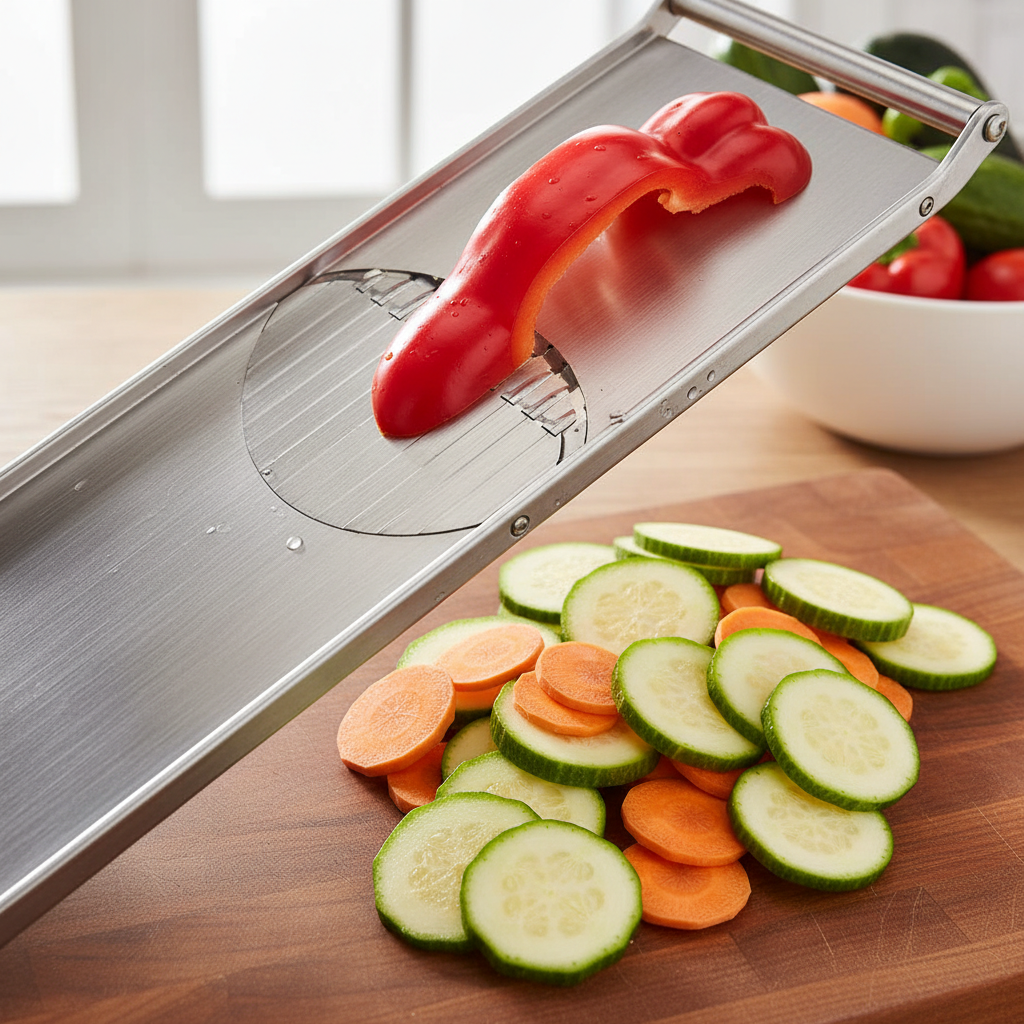
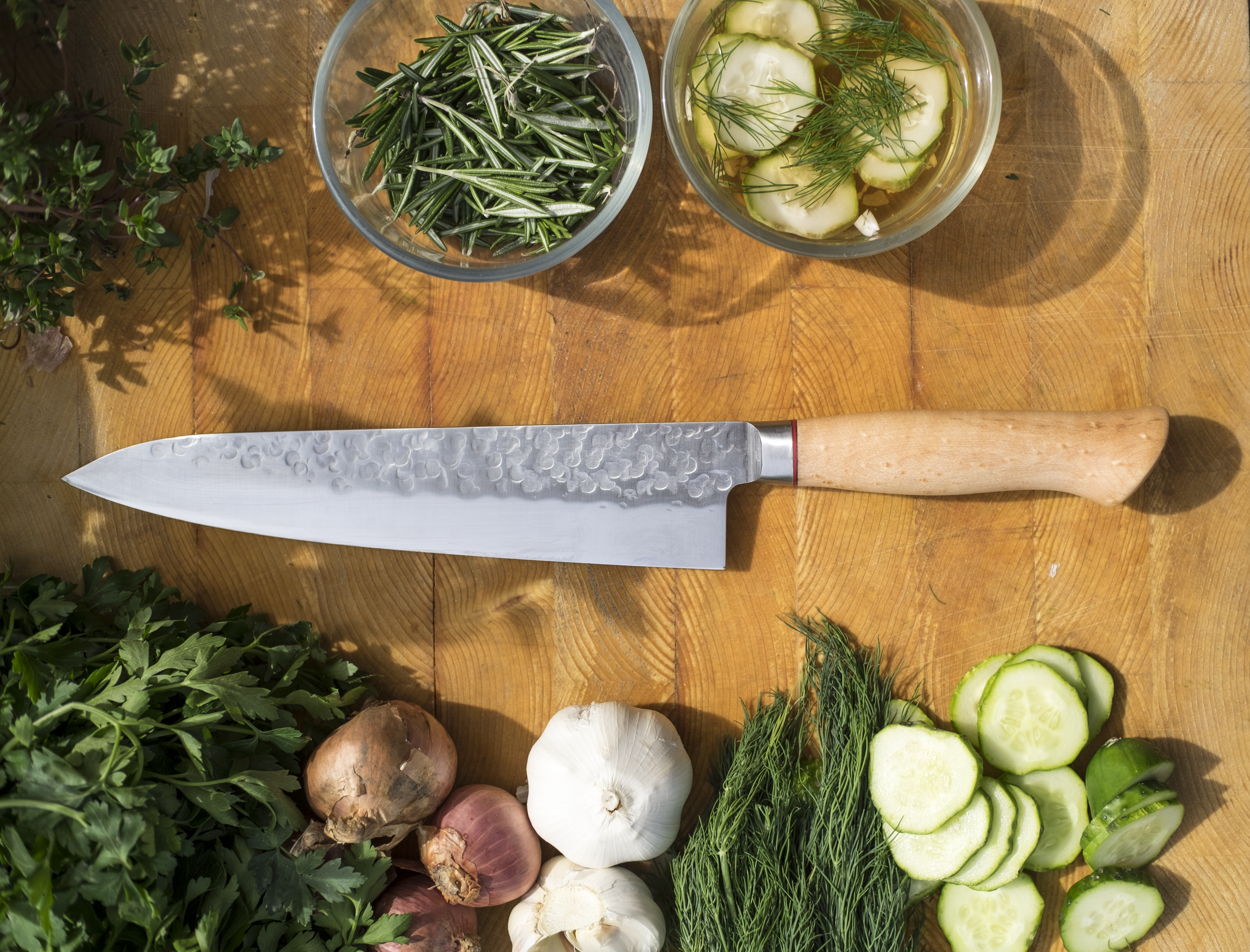
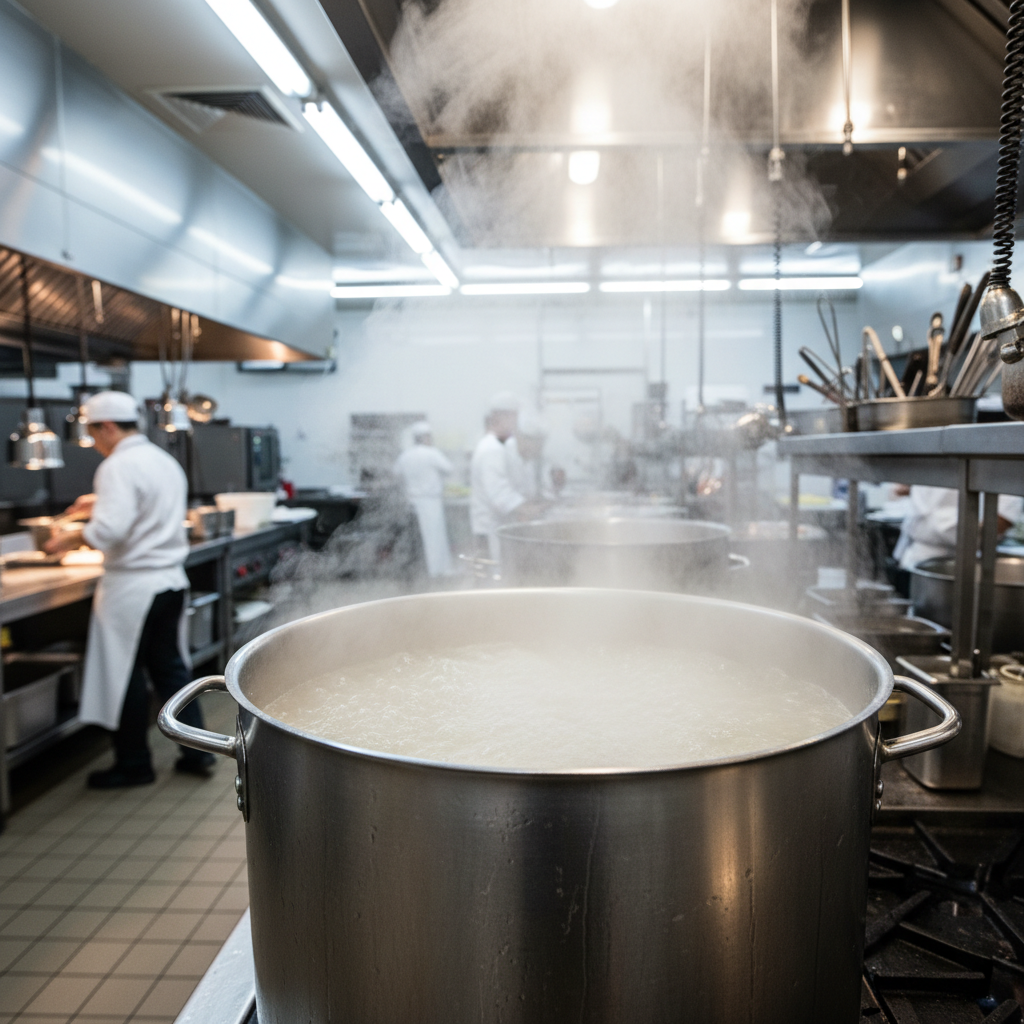
Mise en Place — Everything in Its Place
Trusted by cooks trained at
Free Access
Open the Full Kitchen Library
28 comparison tables · 340+ technique entries · 12 kitchen disciplines — all free.
Blade to Board — Every Cut Defined
“A dull knife is a dangerous knife. Edge maintenance is not optional — it is the first technique.”
Jacques Pépin
Chef & Culinary Author
| Cut | Dimensions | Classic Use | Knife Type | Difficulty |
|---|---|---|---|---|
| Brunoise | 3mm × 3mm × 3mm | Consommé garnish, mirepoix | Chef's / Paring | ★★★★☆ |
| Julienne | 3mm × 3mm × 6cm | Stir-fry, salads, garnish | Chef's | ★★★☆☆ |
| Chiffonade | Fine ribbon strips | Herbs, leafy greens | Chef's | ★★☆☆☆ |
| Tourné | 7 sides, 5cm barrel | Presentation vegetables | Tourné / Bird's beak | ★★★★★ |
| Paysanne | 12mm × 12mm × 3mm | Soups, braises | Chef's | ★★☆☆☆ |
| Rondelle | 3–6mm rounds | Carrots, zucchini, leeks | Chef's | ★☆☆☆☆ |
| Concassé | Rough 1cm dice | Tomato sauce base | Chef's / Paring | ★★☆☆☆ |
Data reflects professional kitchen standards. Always verify against current food safety regulations for your jurisdiction.
Dry Heat vs. Wet Heat — The Full Matrix
“Understanding heat is understanding food. Everything else is seasoning.”
Thomas Keller
Chef-Owner, The French Laundry
| Method | Heat Type | Medium | Temp Range | Best Proteins | Texture Result |
|---|---|---|---|---|---|
| Roasting | Dry | Oven air | 350–450°F | Whole birds, large cuts | Crust, juicy interior |
| Sautéing | Dry | Fat in pan | 375–450°F | Cutlets, fish fillets | Golden crust, quick |
| Braising | Wet | Liquid + oven | 275–325°F | Short ribs, shanks | Tender, falling-apart |
| Poaching | Wet | Liquid | 160–180°F | Eggs, fish, chicken | Delicate, silky |
| Grilling | Dry | Radiant heat | 450–650°F | Steaks, chops, veg | Char, grill marks |
| Steaming | Wet | Steam vapor | 212°F | Shellfish, dumplings | Moist, no color |
| Deep-frying | Dry | Oil | 325–375°F | Chicken, fish, veg | Crisp exterior |
| En Papillote | Wet | Steam in parchment | 375–400°F | Fish, veg | Steamed, aromatic |
Data reflects professional kitchen standards. Always verify against current food safety regulations for your jurisdiction.
Depth of resource
This is two of twenty-eight tables.
Stocks, emulsions, pastry ratios, spice pairings, wine reductions — all indexed.
Escoffier's Five — Side by Side
“Once you understand the five mothers, you understand half of French cooking.”
Julia Child
Culinary Author & TV Host
| Sauce | Thickener | Liquid Base | Key Ratio | Classic Derivative | Common Fault |
|---|---|---|---|---|---|
| Béchamel | White roux | Whole milk | 1:16 (roux:milk) | Mornay, Soubise | Lumping — roux too hot |
| Velouté | Blonde roux | White stock | 1:16 | Suprême, Allemande | Starchy finish — undercooked |
| Espagnole | Brown roux | Brown stock | 1:20 | Demi-glace, Bordelaise | Bitter — burnt roux |
| Sauce Tomat | Reduction | Tomato + stock | N/A | Provençale, Creole | Acidity — no fat balance |
| Hollandaise | Egg yolk emulsion | Clarified butter | 1 yolk : 75g butter | Béarnaise, Mousseline | Breaking — overheating |
Data reflects professional kitchen standards. Always verify against current food safety regulations for your jurisdiction.
Every Protein, Every Doneness — USDA & Chef Standard
“The thermometer is the most underused tool in the home kitchen. Use it without shame.”
Heston Blumenthal
Chef-Owner, The Fat Duck
| Protein | Doneness | Chef Target °F | USDA Safe °F | Rest Time | Notes |
|---|---|---|---|---|---|
| Beef Steak | Medium-Rare | 130–135°F | 145°F | 5 min | Carryover +5°F |
| Beef Steak | Medium | 140–145°F | 145°F | 5 min | Most diner preference |
| Pork Loin | Medium | 145°F | 145°F | 3 min | Pink center is safe |
| Chicken Breast | Done | 160°F (pull) | 165°F | 5 min | Carryover raises to 165°F |
| Chicken Thigh | Done | 175–180°F | 165°F | 3 min | Higher temp = better texture |
| Duck Breast | Medium | 135°F | 165°F (whole) | 5 min | Magret — chef standard lower |
| Salmon | Medium | 125–130°F | 145°F | 2 min | Translucent center preferred |
| Ground Beef | Done | 160°F | 160°F | None | No pink — no exceptions |
| Lamb Rack | Medium-Rare | 130°F | 145°F | 5 min | Fat cap needs high heat first |
Data reflects professional kitchen standards. Always verify against current food safety regulations for your jurisdiction.
Depth of resource
Four tables. Twenty-four more wait in the library.
Plus 340 individual technique entries, cross-referenced by discipline.
From the kitchen, unfiltered
The Wisdom That Doesn't Make It Into Recipes
You don't have to cook fancy or complicated masterpieces — just good food from fresh ingredients.
Julia Child
Culinary Author & TV Host
Cooking is at once child's play and adult joy. And cooking done with care is an act of love.
Craig Claiborne
NYT Food Editor
The secret of good cooking is, first, having a love of it. If you're convinced that cooking is drudgery, you're never going to be good at it.
James Beard
Culinary Pioneer
Salt is the only rock we eat. Everything else you do to food is secondary.
Samin Nosrat
Author, Salt Fat Acid Heat
A recipe has no soul. You as the cook must bring soul to the recipe.
Thomas Keller
Chef-Owner, Per Se & The French Laundry
The more you know, the more you can create. There's no end to imagination in the kitchen.
Julia Child
Culinary Author & TV Host
The full reference
Open the Full Kitchen Library
Twenty-eight comparison tables. Three hundred and forty technique entries. Every answer a cook has ever needed, indexed the way a working kitchen thinks.